AI Research Presentation Maker
MakerPPT provides access to professional and free AI Research PPT maker online. Turn your ideas into impressive presentations in seconds. Try now and increase productivity.
academic investigation
Discover a cutting-edge AI-driven tool designed to streamline the creation of comprehensive academic investigation presentations. Enhance your research narratives with precision and ease, tailored for educators, students, and professionals alike.
scientific exploration
Create captivating scientific presentations with ease using our AI-powered exploration presentation maker. Enhance your research storytelling with automated slide generation, intelligent design suggestions, and seamless integration of data visuals.
data analysis methods
Explore our AI-powered data analysis presentation maker, designed to streamline the creation of insightful and visually engaging presentations with just a few clicks. Enhance your data storytelling with automated charts and insights, making complex information easy to understand for any audience.
experimental findings
Discover our AI-driven presentation maker designed to transform experimental findings into compelling visuals effortlessly. Enhance your storytelling with dynamic layouts and insights tailored to showcase your research's impact.
literature review trends
Discover the latest trends in AI literature with our intuitive presentation maker, designed to streamline the creation of engaging and informative reviews. Stay ahead in the field by visualizing key insights and data, all crafted seamlessly into impactful presentations.
Best Research Presentation Examples




Popular Prompts Using AI Research PPT Maker
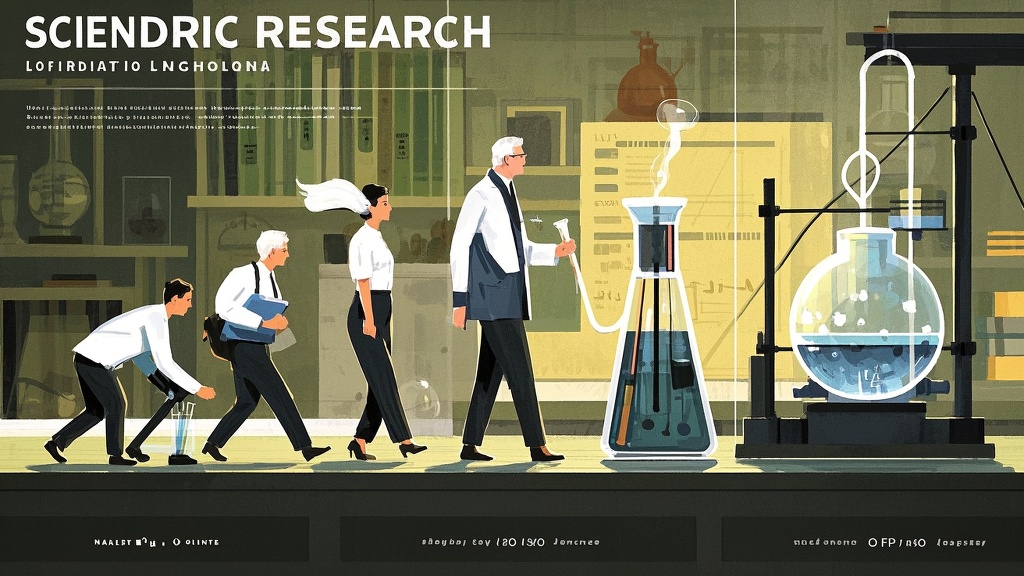
1、Explore the evolution of groundbreaking scientific research through the decades, highlighting key discoveries and their societal impacts.
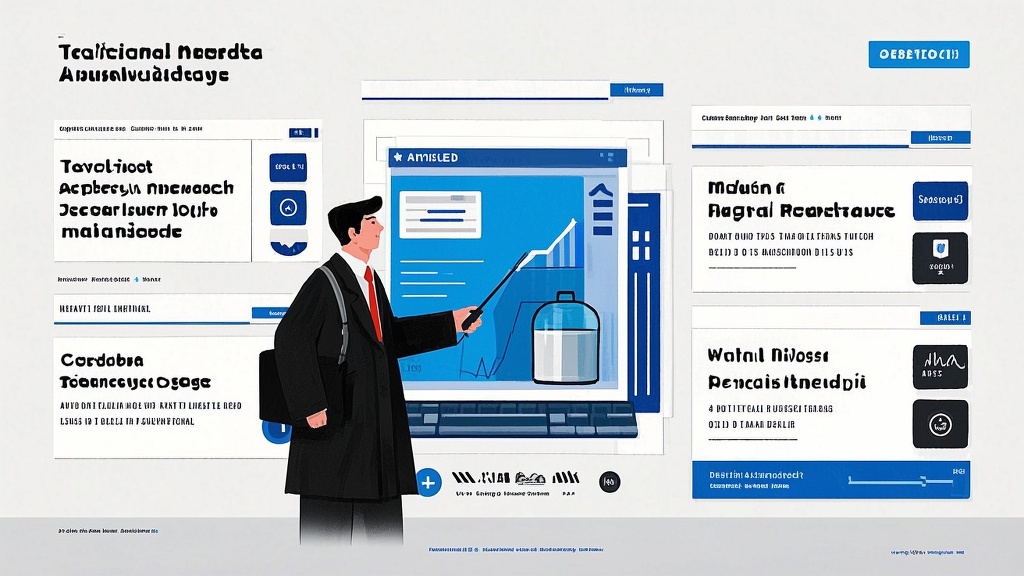
2、Present a comprehensive comparison of traditional research methodologies versus modern digital research tools in various academic fields.
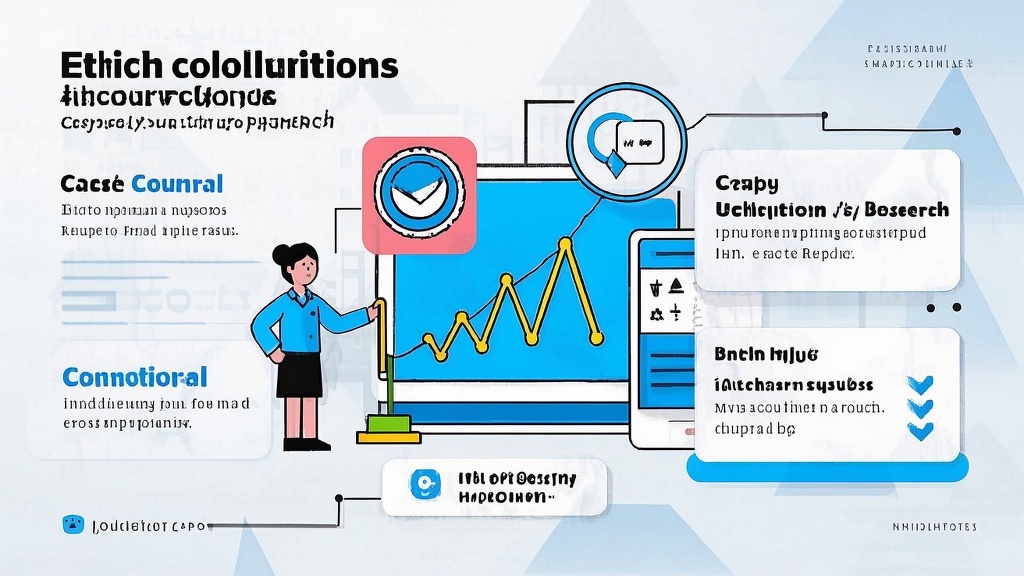
3、Create a visual guide summarizing the ethical considerations in conducting research across different cultures and industries.
4、Develop an interactive presentation showcasing the future of research in artificial intelligence and its potential applications in everyday life.
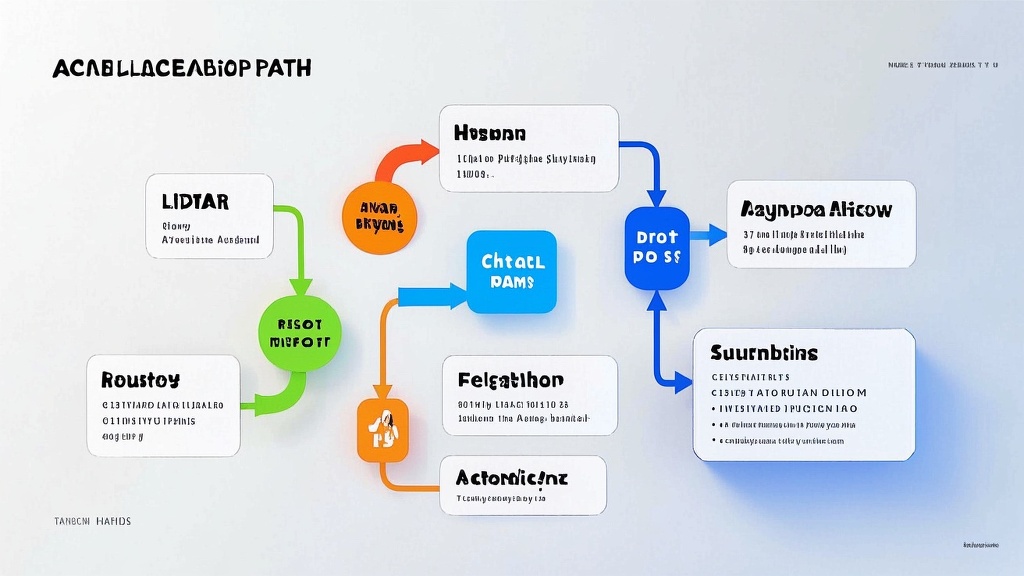
5、Illustrate a year-long roadmap for conducting effective and efficient academic research, from hypothesis formulation to publishing results.
6、Design an engaging seminar using AI that disseminates ways to identify credible sources and combat misinformation in research data.
7、Craft a dynamic presentation featuring case studies on how interdisciplinary research teams solved complex global challenges.
8、Compose a captivating lecture on the role of collaborative research in technological innovation and its influence on global competitiveness.
Ideal Users for the AI Research Presentation Maker
Academic Researcher
A university professor or a PhD student working in academia who needs to present their latest research findings at a scientific conference. Their goal is to clearly communicate their methodology, results, and potential implications to peers and experts in their field.
Data Scientist
A data scientist at a technology company tasked with exploring a new dataset to uncover business insights. They aim to create a presentation for key stakeholders within the company to showcase their research process, analytical methods, and actionable insights derived from the data.
Market Research Analyst
A market research analyst at a consumer goods company responsible for presenting research findings on consumer trends and preferences. Their objective is to inform decision-makers about market opportunities and guide the development of new products or marketing strategies.
Graduate Student
A graduate student working on a master's thesis who needs to present research progress to their thesis advisor or a departmental panel. Their aim is to demonstrate the validity of their research question, techniques employed, and preliminary findings that justify continued investigation.
Nonprofit Program Manager
A program manager at a nonprofit organization who is tasked with evaluating the effectiveness of their programs through research. They want to create a presentation that demonstrates the outcomes and impact of their programs to secure continued funding from donors and stakeholders.
Corporate R&D Scientist
A researcher working in the research and development department of a corporation who needs to present experimental results on a new product development project. The goal is to convey the scientific basis and potential commercial applications of their research to executives and product managers.
FAQ
Q: What are the key components of a research presentation?
A: The key components of a research presentation typically include an introduction to the research topic, a literature review or background, the research methodology, the results or findings, a discussion or analysis of the results, and a conclusion or summary. Additionally, it's beneficial to include a slide for future research or recommendations, as well as a Q&A session at the end.
Q: How should I structure my research presentation slides?
A: Begin with a title slide that includes the presentation title, your name, and any affiliations. Follow with an agenda slide outlining the main sections of your presentation. Organize your slides to follow a logical progression as you cover the key components: introduction, methodology, results, discussion, and conclusion. Make sure each slide is not overcrowded, and use visuals and bullet points to convey information clearly.
Q: How can I keep the audience engaged during my research presentation?
A: Engage your audience by starting with a compelling narrative or question, using visuals to support your points, and incorporating interactive elements such as questions or brief discussions. Maintain eye contact, vary your vocal tone, and keep the presentation paced well. Providing real-world applications or implications of your research can also capture the audience's interest.
Q: What are some tips for presenting complex data in a research presentation?
A: When presenting complex data, use clear and simple visuals, such as charts and graphs, to illustrate key points. Avoid cluttered slides and highlight only the most relevant data. Use color, labels, and annotations to guide the audience's attention. Explain any technical terms or methodologies to ensure understanding, and focus on the implications of the data rather than just the raw figures.
Q: How can I effectively conclude my research presentation?
A: To effectively conclude your research presentation, summarize the key findings and their significance. Clearly state any conclusions and discuss their implications or potential impact. End with areas for future research or action items, and encourage questions from the audience. A strong closing slide with concise take-home messages can reinforce your main points and leave a lasting impression.